Hot vs. Cold Water Pressure Washing
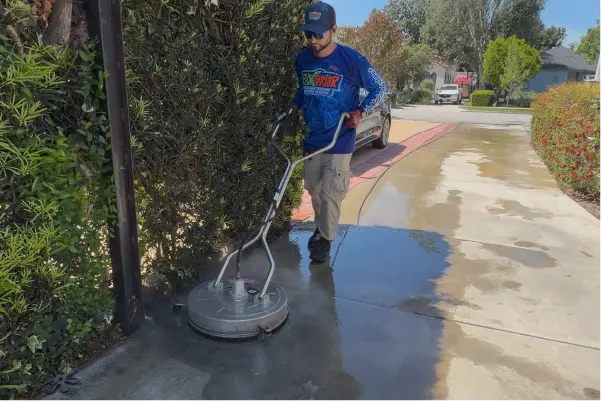
When people picture pressure washing, they picture cold water blasting dirt off a driveway. That works for a lot of jobs, but it's only half the story. Hot-water pressure washing cleans very differently, and for certain messes it's the difference between "looks better" and "actually clean." Here's when each one matters, and why we run both.
What's the actual difference?
Cold-water pressure washing relies on force and flow, high-pressure water physically knocking dirt, mud, and loose grime off a surface. It's powerful and effective for everyday dirt.
Hot-water pressure washing adds heat to that force. Just like washing greasy dishes, hot water breaks down oils and organic buildup that cold water simply slides over. The heat softens and dissolves the grime so it releases from the surface instead of being pushed around.
When cold water is the right call
For most everyday residential cleaning, cold water is exactly what you want:
- General dirt and mud on driveways, walkways, and patios
- Rinsing loose debris and surface dust
- Prepping hard surfaces before sealing or painting
- Routine hardscape cleaning where there's no grease involved
It's efficient and does a great job on ordinary dirt, which is the majority of what a home needs.
When hot water makes the difference
Some messes cold water can't fully lift, no matter how high the pressure. This is where a heated machine earns its keep:
- Oil and grease stains on driveways and garage floors
- Gum, grill grease, and food grime on patios and around outdoor kitchens
- Heavy organic buildup, the sticky, ground-in kind that cold water just polishes
- Anywhere you want a faster, deeper clean, since heat cuts cleaning time and helps cleaning solutions work better
On these jobs, hot water doesn't just clean faster, it reaches a level of clean that cold water can't match.
Why we run both
At Rexterior, we run two pressure washers, a Landa hot-water (heated) pressure washer and a separate cold-water pressure washer, plus a professional surface cleaner for flat concrete. That means we're not forcing one machine to handle every job. We bring cold water for everyday dirt and hot water for grease, oil, and stubborn organic buildup, matching the machine to the mess in front of us.
A company with only a cold-water unit can still clean your driveway, but it may leave oil shadows and ground-in grime behind. Having both is how you get a surface that looks restored, not just rinsed.
The bottom line
Cold water is perfect for everyday dirt; hot water is what beats grease, oil, and heavy organic staining. The right choice depends on the surface and the mess, and the best results come from a company that has both on the truck.
Got a driveway with oil stains or grime cold water won't touch? Request a free quote or call (626) 545-3132. Learn more about our pressure washing service.
Frequently asked questions
Is hot-water pressure washing better than cold?
It depends on the job. Cold water is great for everyday dirt on driveways and patios. Hot water is better for grease, oil, and heavy organic buildup because heat breaks those down where cold water can't. The best setup uses whichever the surface needs.
Do I need hot water to clean my driveway?
Not for general dirt, cold water handles that well. But if your driveway has oil stains, grease, or ground-in organic grime, hot water will get it noticeably cleaner.
Does hot water damage surfaces?
Used correctly on the right surfaces, no. Like any pressure washing, it comes down to matching the method and settings to the material. Delicate surfaces like stucco and roofs are cleaned with soft washing, not high-pressure hot water.