Soft Washing Explained: The Low-Pressure Method Behind Professional House Washing
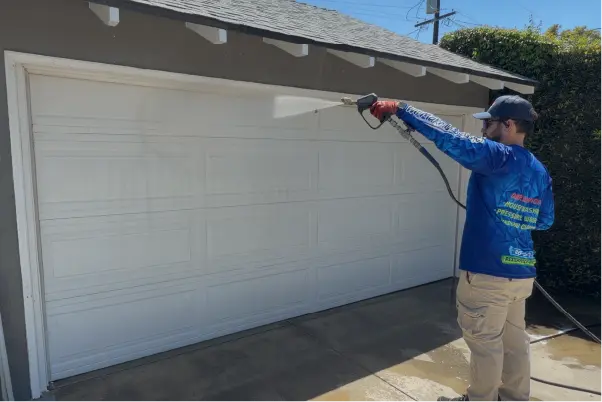
If you've been told your home needs "soft washing" and weren't sure what that means, here's the simple version: soft washing is a low-pressure cleaning method that uses professional cleaning solutions to remove mold, algae, mildew, and grime from delicate surfaces, without the force of a pressure washer. It's one of the most important, and most misunderstood, services in exterior cleaning.
How soft washing works
Instead of relying on high-pressure water to blast dirt away, soft washing does the work chemically. We apply specialized low-pressure cleaning solutions that break down organic growth at the source, let them dwell, then gently rinse everything clean.
The pressure used is closer to a garden hose than a pressure washer. That's the whole point: the cleaning power comes from the solution, not from force, so the surface underneath isn't blasted.
What surfaces need soft washing?
Soft washing is the correct method for anything that high pressure could damage, including:
- Stucco and painted siding: high pressure can crack stucco and strip paint; soft washing is designed to avoid that.
- Roofs: shingles and tiles should never be pressure washed. Soft washing safely removes the black streaks and algae.
- Wood siding and fences
- Delicate trim and architectural details
Hard surfaces like concrete driveways and patios are the exception, and those are cleaned with pressure washing, which we also do.
Want your house washed? Request a free quote or call (626) 545-3132.
Why soft washing is worth it
- It removes growth at the root, not just the surface. A quick blast of water might make a wall look cleaner for a few weeks, but the mold and algae come right back. Soft washing's cleaning solutions help break down and remove the growth, so the surface stays clean far longer.
- It protects your home. The right (low) pressure for delicate materials means far lower risk of cracked stucco, stripped paint, or damaged roofing than high pressure.
- It removes moisture-holding growth. Mold, algae, and mildew on your home aren't just ugly; they hold moisture against surfaces.
The bottom line
Soft washing is the low-pressure, longer-lasting way to clean the delicate surfaces of your home. If a company is putting high pressure on your stucco or roof, that's a warning sign, because those surfaces need soft washing, not blasting.
At Rexterior, we use a dedicated soft-wash system and professional cleaning solutions to clean your home the right way for each surface.
Think your home needs a soft wash? Request a free quote or call (626) 545-3132. Learn more about our house washing service.
Related reading: Is Soft Washing Safe for Stucco? How We House Wash Stucco Homes · House Washing vs. Pressure Washing: What's the Difference?
Frequently asked questions
Is soft washing safe for my roof and stucco?
It's the method designed for them. Soft washing uses low pressure and cleaning solutions, so it removes mold and algae without the damage high pressure can cause to roofs, stucco, and paint.
How is soft washing different from pressure washing?
Pressure washing uses high-pressure water and is for hard surfaces like concrete. Soft washing uses low pressure plus cleaning solutions for delicate surfaces like stucco, siding, and roofs.
How long does a soft wash last?
Because soft washing removes organic growth at the root, results typically last much longer than a simple high-pressure rinse, often a year or more depending on shade, trees, and exposure.